The NL West should again be one of the most important divisions for Points Leagues because it combines star hitters, high-end pitchers, strong offensive environments, and several contending rosters. Even outside of the Dodgers, there are useful fantasy baseball assets scattered throughout this division.
Los Angeles Dodgers Fantasy Baseball Outlook
The Dodgers remain the most fantasy-rich team in baseball. In Points Leagues, they are especially dangerous because their stars combine elite talent with elite context.
This is not just a team full of household names. It is a team full of hitters and pitchers placed in environments that maximize counting stats, volume, and win potential.
Shohei Ohtani is still one of the most valuable fantasy players in any format. Mookie Betts, Freddie Freeman, Kyle Tucker, and Teoscar Hernández all remain major Points Leagues assets because they combine plate discipline, power, and lineup quality.
Tucker, in particular, should continue to be a premier asset because his game does not rely on steals to create value. Even the secondary pieces on this roster often matter because lineup context in Los Angeles is simply better than almost anywhere else. That creates strong floors for run scoring and RBI accumulation.
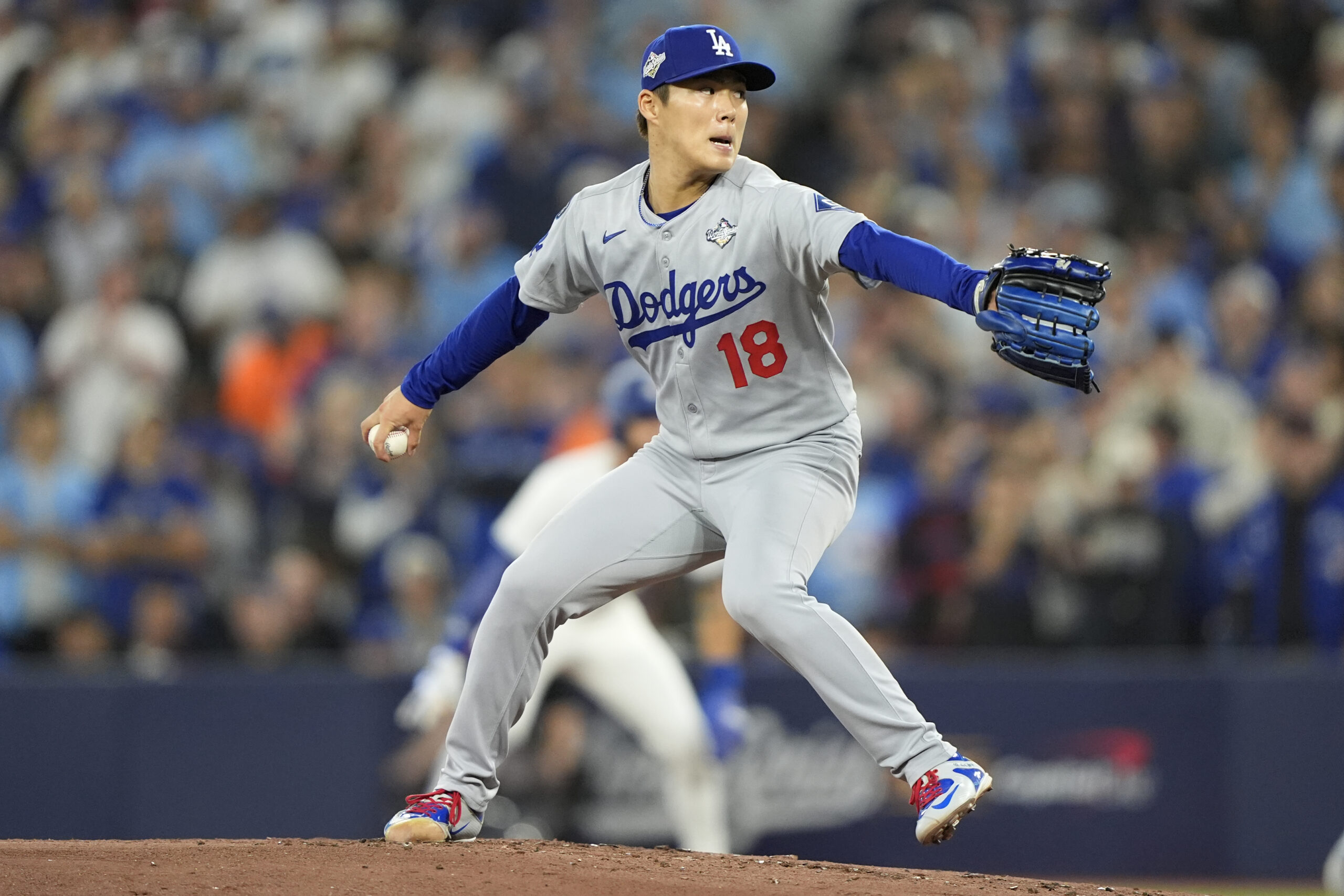
The pitching side is just as loaded with upside. Yoshinobu Yamamoto, Blake Snell, Tyler Glasnow, and Roki Sasaki all have the ability to be major fantasy difference-makers if healthy.
That last part matters, of course, because durability is the only thing separating this group from being unfair. The bullpen also gets a huge boost with Edwin Díaz, who should again be treated as one of the better fantasy closers because role, team quality, and strikeout ability all align.
The Dodgers are still the premier team to target in Points drafts, though the obvious challenge is cost. Managers do not need to force exposure, but this is the one roster where even secondary names can become impact fantasy pieces.
Evaluating San Diego Padres Fantasy Options
The Padres remain fantasy-relevant, but this is a roster that now relies more heavily on its stars than on deep team quality. In Points Leagues, that can work, but it also means the supporting cast becomes more important than casual managers may think.
Fernando Tatis Jr. still has a massive fantasy ceiling, though in Points his value depends more on the bat fully returning to elite form than on his speed. Jackson Merrill remains one of the more important breakout candidates because if he takes the expected step, he could become a major Points asset thanks to power and lineup role.
Manny Machado was not specifically highlighted in your provided summary, but if he is still operating in his usual role, he remains highly relevant here because his skill set fits Points well. Xander Bogaerts is more valuable in Points than in pure speed-dependent formats if he rebounds because stable contact and lineup volume matter.
This lineup, however, is thinner than it used to be. That is important because weaker surrounding context can limit the ceiling of everyone involved. Jake Cronenworth, Gavin Sheets, Miguel Andujar, and Sung-Mun Song fit more as depth names than reliable starters in mixed Points Leagues.
On the mound, Michael King should remain the most attractive fantasy starter on the team because workload and effectiveness matter so much in this format. Nick Pivetta is a dangerous evaluation because strikeouts can help in Points, but repeatability is still a fair question after the breakout. Joe Musgrove is the veteran rebound name to monitor.
In the bullpen, this is still one of the more useful groups in fantasy because deep leverage usage can matter in holds formats, while the closer role still carries real value if clearly defined.
The Padres still offer high-end fantasy talent, but they are less attractive as a team-wide source of stable value than they were in recent seasons.
San Francisco Giants Fantasy Baseball Assets
The Giants are a better real-life baseball team than fantasy team, but Points Leagues can still create pathways to value here because volume, defense-supported pitching, and role stability all matter.
Rafael Devers is still the premier fantasy bat on the roster and easily the most important hitter to watch in this lineup. If he rebounds fully, his power and on-base skills make him a major Points asset again.
Willy Adames and Matt Chapman should remain useful because both bring enough power and lineup security to matter, though neither is likely to carry a fantasy offense alone. Luis Arraez is more interesting in Points than some realize because he avoids strikeouts and accumulates plate appearances, but his lack of power still caps his ceiling. Harrison Bader is more of a deep-league or streaming option unless the offensive gains from last season prove sustainable.
This lineup is still relatively light on true high-end upside beyond Devers, which lowers the fantasy ceiling of the supporting cast.
The pitching staff is more interesting. Logan Webb remains one of the best Points Leagues arms in baseball because innings, ratio stability, and workload are gold in this format. Robbie Ray has more volatility but can still matter because strikeouts create upside.
Tyler Mahle, Adrian Houser, and Landen Roupp are more matchup-driven or depth-based names. Ryan Walker is a useful reliever to watch if the closer role stabilizes, though San Francisco’s bullpen is not as airtight as some of the elite fantasy bullpens.
The Giants are not a roster to build around in fantasy, but they do offer several useful Points contributors, especially Webb and whichever bats settle into stable run-producing roles.
Targeting Arizona Diamondbacks Hitters and Pitchers
Arizona looks more like a retooling team than a true fantasy hotspot, but there is still enough lineup talent here for managers to find value, especially if the offense remains functional and several younger players hold meaningful roles.
Ketel Marte remains one of the more underrated Points Leagues players in baseball because his game translates beautifully to the format. He offers power, strong plate appearances, and dependable lineup value without needing speed to stay relevant.
Corbin Carroll becomes a more nuanced discussion in Points because some of his fantasy stardom comes from stolen bases, but he is still hugely important if healthy because the bat and run-scoring role remain strong. Geraldo Perdomo may also be more useful here than in category leagues if last season’s offensive gains hold, because disciplined middle infielders with everyday volume often return more value in Points than expected.
Gabriel Moreno, Adrian Del Castillo, Jordan Lawlar, Alek Thomas, Nolan Arenado, and Carlos Santana all fall somewhere between useful depth and uncertain upside. The problem is that the team may not have enough stability around its stars to make all of those secondary bats worth chasing in standard mixed formats.
The rotation is the bigger issue. Merrill Kelly looks like the safest fantasy arm here because stability matters, while Zac Gallen, Eduardo Rodríguez, and Brandon Pfaadt all come with real uncertainty after last season.
Ryne Nelson may end up mattering in deeper Points Leagues if he locks down volume. The bullpen also lacks firm fantasy trust, which makes this a difficult team to mine for reliever value.
Arizona still offers a few important hitters, but it is a roster where fantasy managers need to be selective rather than assuming the team context will elevate everyone.
Colorado Rockies Fantasy Baseball Strategy in Coors Field
Colorado is almost always a strange fantasy team because Coors Field can create offense even when the roster is poor. In Points Leagues, that means there can still be useful hitters here, but managers have to be more careful than in traditional category formats because the floor remains unstable.
Hunter Goodman is the most important fantasy bat on the roster after his breakout. Catcher-eligible power in Coors is always worth attention, and if the role remains strong, he could be one of the more useful players at the position in Points Leagues. Brenton Doyle, Ezequiel Tovar, Jordan Beck, Mickey Moniak, and Jake McCarthy all have varying levels of appeal, though some of that appeal is stronger in roto formats because of speed.
In Points, the challenge is identifying which hitters can pair the Coors effect with enough plate skills and lineup volume to matter over a full season.
This lineup should improve from last year simply because it would be difficult not to, but the team context still remains weak enough that fantasy managers should not overreact to the home park alone.
The pitching staff is almost impossible to trust in standard Points formats. Chase Dollander, Michael Lorenzen, José Quintana, Tomoyuki Sugano, and others may have streaming appeal in very specific spots, but Colorado arms generally remain poor investments. Even if one or two pieces improve, the environment still creates too much weekly risk.
The Rockies are still mainly a team for selectively targeting home hitters and catcher value, not for building broad fantasy exposure.
Leave a Reply