The NL East should be one of the most important divisions for Points Leagues managers in 2026. There is star power at the top, but just as importantly, there are several teams with enough lineup depth and rotation quality to create strong run-producing environments.
In Fantasy Baseball Points formats, that matters just as much as raw talent. Stable lineup spots, quality plate discipline, dependable innings, and clearly defined bullpen roles often create more value than flashier roto-style profiles.
Philadelphia Phillies
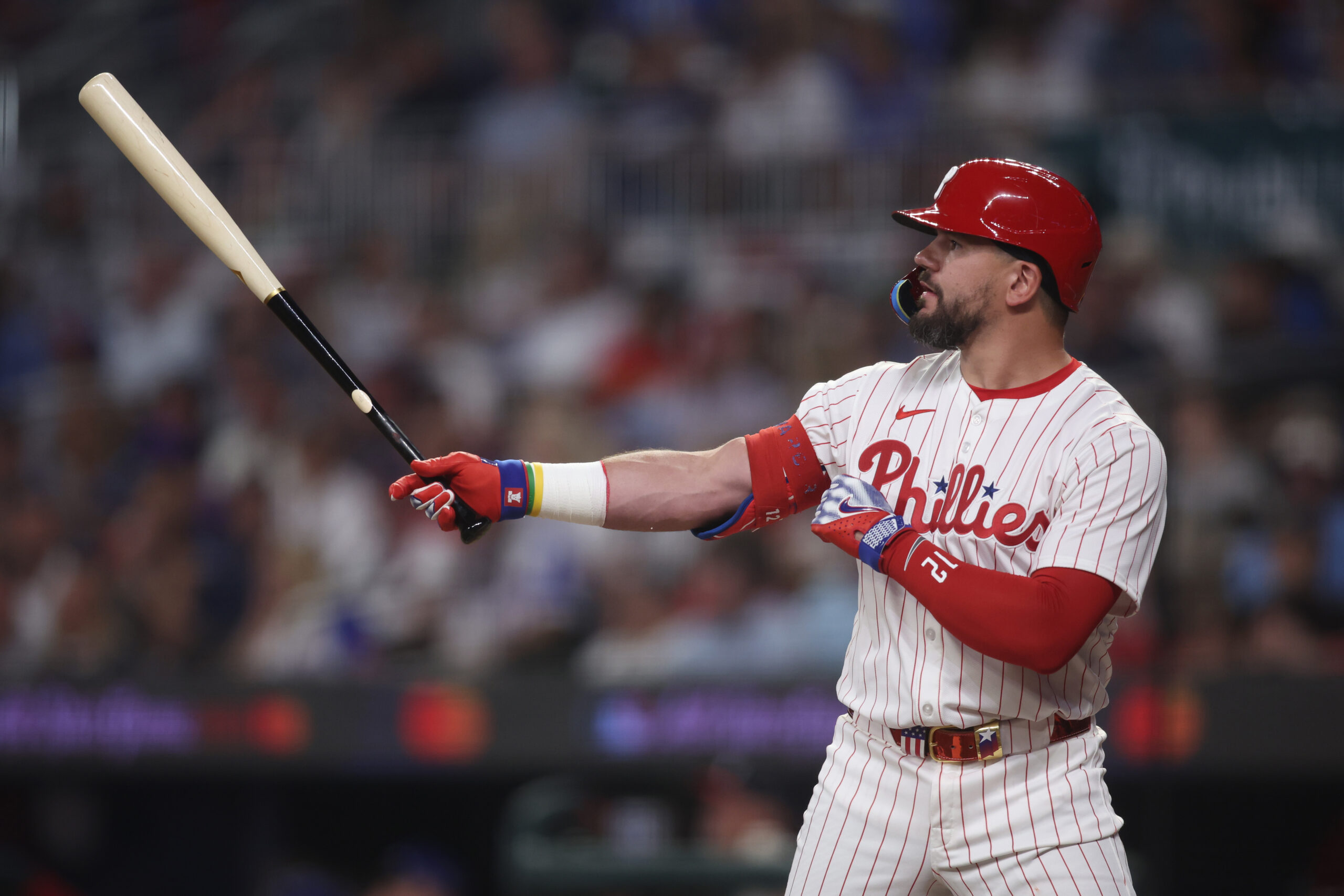
Philadelphia remains one of the safer fantasy environments in the league. This is an aging roster, but it is still filled with hitters who work counts, hit for power, and hold premium lineup spots. That combination keeps the Phillies highly relevant in Points Leagues, where consistency often matters more than speed.
Kyle Schwarber is one of the best examples of a player whose value can remain elite in this format even without batting average help. His power, walk rate, and run production keep his weekly floor high. Bryce Harper should again profile as one of the safest early-round bats in Points formats because of his combination of plate discipline, lineup context, and multi-category offensive production that does not depend on steals.
Trea Turner is more valuable in category leagues than in Points, but his lineup role and counting-stat environment still make him a strong option. J.T. Realmuto is no longer at his absolute peak, though catcher remains thin enough that his volume keeps him relevant.
There are also a few key fantasy swing factors here. Adolis García could be a useful bounce-back target in Points if the approach stabilizes, but he is riskier in this format than in roto because prolonged cold stretches and strikeout-heavy production can hurt. Justin Crawford is more interesting in dynasty and deeper formats unless he immediately secures everyday volume.
On the mound, Zack Wheeler remains the fantasy anchor if healthy, while Cristopher Sánchez has become one of the more attractive mid-rotation Points arms because of his workload outlook and run prevention profile.
Aaron Nola is a major rebound candidate, but he now comes with more risk than in past seasons. Jhoan Duran should be one of the safer relievers in fantasy because role clarity matters heavily in Points leagues that reward saves and clean innings.
From a Points Leagues perspective, the Phillies still profile as one of the best teams to mine for bankable hitters and strong SP2 or SP3 production.
New York Mets
The Mets are one of the more interesting Points Leagues teams because their roster is deep, but not all of the value is equally stable. This is a lineup with enough talent to produce several useful fantasy hitters, though it may also frustrate managers if the batting order shifts or if some of the rebound bets fail.
Juan Soto remains an elite Points Leagues player because he is one of the few hitters in baseball whose value is almost format-proof. His walks, on-base skill, power, and run production give him one of the safest profiles in fantasy. Francisco Lindor is usually more valuable in category formats because of the steals, but he still carries strong Points appeal because of his volume and all-around offensive role, assuming the hamate issue does not linger.
Bo Bichette is the kind of player who can be more useful in Points than people realize if he returns to everyday volume and top-of-the-order production. Marcus Semien is another veteran whose roto ceiling has faded a bit, but whose durability and lineup placement can still play well in Points.
Luis Robert Jr. is one of the toughest evaluations on the roster. If he rebounds, the lineup context could make him a difference-maker, but his profile carries real downside in Points because cold stretches and missed time can drain value quickly. Jorge Polanco, Mark Vientos, Brett Baty, and Francisco Alvarez all fit more as depth or matchup-based options until their roles and consistency become clearer.
The rotation is where the Mets gain some Points Leagues appeal. Freddy Peralta should be one of the most desirable arms on the roster because strikeouts translate directly to upside, and he now has a clearer path to workload-driven value in a contending environment.
Sean Manaea, Kodai Senga, and Clay Holmes all carry varying degrees of risk, but there is enough depth here for the team to generate fantasy-relevant innings. Nolan McLean and Jonah Tong are the names to watch in deeper formats and dynasty leagues.
The bullpen is shakier than it looks. Devin Williams has the name value, but role stability matters enormously in Points formats. If he stumbles again, his fantasy value could become more volatile than expected.
This is a team with plenty of fantasy talent, but outside of Soto, Peralta, and a healthy Lindor, there is more volatility here than many managers may want early in a Points draft.
Miami Marlins
Miami is not a team that should dominate Points Leagues drafts, but there are still a few useful pieces here because rebuilding teams often create sneaky volume. In deeper formats especially, regular playing time can matter more than perceived upside.
Kyle Stowers enters 2026 as the most intriguing bat on the roster after his breakout. If the gains in approach and quality of contact hold, he could be one of the more profitable mid-round or late-round outfield targets in Points formats.
Jakob Marsee is a more complicated case. His speed matters less here than in roto, so his value depends much more on whether he gets on base enough and keeps an everyday role. That lowers the ceiling in Points leagues unless the bat continues to outperform expectations. Owen Caissie is the upside name to watch because if he gets enough plate appearances and keeps the strikeouts in check, the power could matter in any format.
This lineup still lacks stable run-producing depth, which caps the fantasy ceiling of most Marlins hitters. That matters in Points because weak surrounding context can hold back RBI and run totals even for individually useful bats.
The rotation is more interesting than the lineup. Sandy Alcantara is a difficult evaluation because name value may still outpace current fantasy certainty. If the second-half rebound was real, he could return value, but Points managers should still be cautious if the draft cost assumes ace-level stability.
Eury Pérez has the upside to become the most valuable fantasy pitcher on the staff, though workload questions matter. Max Meyer, Braxton Garrett, and Jansen Junk fit more as streaming or bench options unless they secure stronger innings totals. Thomas White and Robby Snelling are better dynasty names than redraft targets for now.
Pete Fairbanks has fantasy relevance because closers with secure roles always do, but his durability keeps him from being one of the safer bullpen investments.
Miami has a few players worth targeting, but this is mostly a roster for selective volume plays rather than a division-leading fantasy pipeline.
Atlanta Braves
Even after a disappointing real-life season, Atlanta remains one of the most important teams in fantasy baseball. The upside is obvious. This lineup still has the talent to produce multiple difference-makers in Points Leagues, and if the rotation stabilizes, there will be real value on both sides of the ball.
Ronald Acuña Jr. is still one of the highest-upside fantasy players in the game, though in Points formats the gap between him and the very best hitters narrows slightly because stolen bases matter less. Even so, his run-scoring potential, power, and lineup position keep him elite.
Austin Riley is one of the better bounce-back targets in Points because his profile is built around extra-base damage and volume. Matt Olson continues to carry major Points value because of his plate discipline and power base.
Ozzie Albies and Michael Harris II are a little trickier in this format because both derive part of their appeal from category juice, but both still benefit from the lineup context if they rebound.
The Braves do lose some depth without Jurickson Profar, and that matters in Points because deeper lineups support better run creation across the board. Even so, the core here is strong enough to support multiple high-end fantasy bats if the offense returns to form.
On the mound, Chris Sale and Spencer Strider are the names that could reshape the fantasy value of this team. Sale still offers ace-level upside when healthy, and Strider remains one of the few pitchers in fantasy who can truly alter a matchup through strikeouts alone.
The problem, of course, is durability and certainty. Reynaldo López and Grant Holmes can matter in deeper Points formats if they lock down stable rotation spots, but they are not draft anchors. Raisel Iglesias remains useful because relievers with secure save roles still matter in most Points systems, and Robert Suarez strengthens the late-inning structure around him.
Atlanta is still one of the most attractive fantasy teams in baseball, but this year the roster comes with a little more risk than the brand name suggests.
Washington Nationals
Washington is not a team to prioritize in Points Leagues, but it does have a few players whose value becomes clearer because rebuilding clubs often allow everyday volume to develop without much competition.
James Wood remains the obvious headliner. Even after a rough second half, his ceiling is substantial, and if the plate skills improve he could become a major Points Leagues asset because of his power potential and lineup-central role. The risk is that strikeout issues can become more damaging in this format.
Dylan Crews still carries prospect appeal, but at this point managers need real production rather than projection. He is more of a wait-and-see option in standard Points formats. C.J. Abrams is more valuable in category formats because of the speed, though everyday volume still keeps him viable. Luis García Jr. and Keibert Ruiz are more depth-based names than impact targets.
Harry Ford adds a long-term wrinkle, especially in dynasty and keeper leagues, but redraft value depends entirely on how much playing time he earns right away.
The pitching staff is not especially attractive for Points Leagues. Without MacKenzie Gore, there is very little proven strikeout or innings stability. Cade Cavalli is the most interesting upside arm if he finally settles in, and Josiah Gray will at least be worth monitoring after his return. But in general, this is a staff to stream selectively rather than invest in.
Washington’s fantasy value is concentrated in the development of Wood more than in the team as a whole. Outside of a few upside bats, there is not much reason to chase this roster aggressively in Points drafts.
Leave a Reply