The early stretch of the season is where lineup rhythm and roster consistency begin to take shape, but even short-term absences can disrupt both. In fantasy baseball points leagues, where every game and every plate appearance contributes to cumulative scoring, missing key contributors for even a few days can create noticeable gaps. These situations are not always long-term injuries, but their impact is immediate for both teams and fantasy managers trying to maintain stability.
Juan Soto’s Potential Return Could Reignite the Mets’ Offense
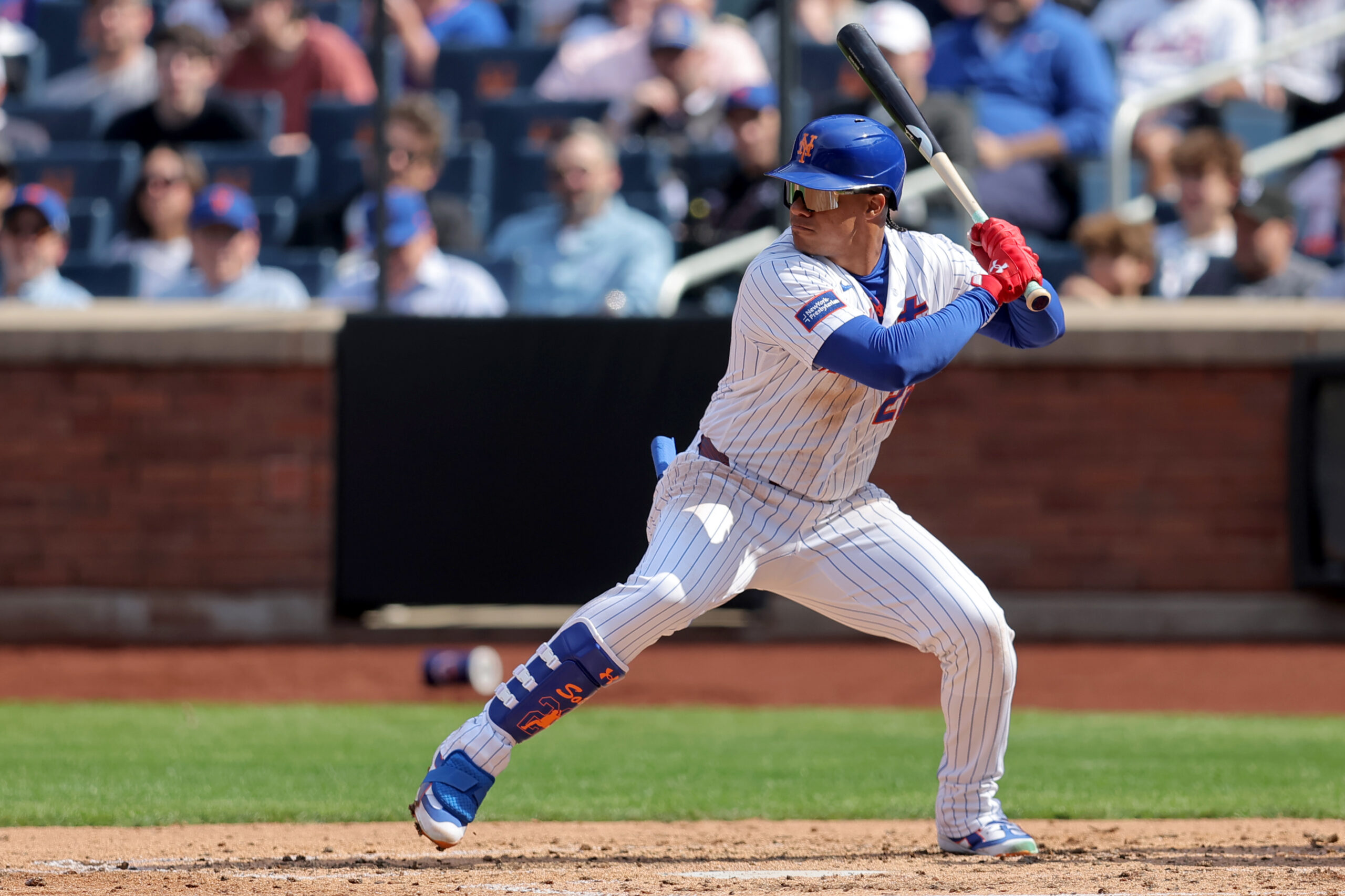
Juan Soto is trending toward a return for the Mets’ upcoming homestand from April 21-30, with manager Carlos Mendoza indicating that he could be back as early as Tuesday as he recovers from his right calf strain. The superstar outfielder has been sidelined for over two weeks, and his absence has coincided with the Mets dropping their 11th straight game on Sunday.
New York regains a cornerstone offensive presence with Soto nearing a return. His profile is defined by elite plate discipline, consistent contact and the ability to generate offense without needing to rely on streaks. He lengthens the lineup and creates run-scoring opportunities through his approach at the plate, which has clearly been missing during his absence.
For points league managers, Soto’s return represents the restoration of a high-floor, high-volume contributor. He accumulates points through walks, hits and extra-base production, making him one of the most dependable assets in the format. Getting him back into lineups immediately raises both consistency and scoring potential after a period of instability.
How Freddie Freeman’s Absence Impacts the Dodgers’ Offense
The Dodgers placed Freddie Freeman on the paternity list Sunday, with the expectation that he could miss up to three days before potentially returning during the upcoming road series against the San Francisco Giants. In his absence, Ryan Ward was called up and started at first base in Sunday’s series finale in Denver against the Colorado Rockies, going 2-for-5 with an RBI in a 9-6 loss. Freeman, 36, has been productive through the first 20 games of 2026, hitting .296 (24-for-81) with three home runs, 14 RBI and nine runs scored across 89 plate appearances.
Los Angeles loses a central piece of its lineup even in a short window. Freeman’s value comes from his consistency, ability to control at-bats and steady run production, which helps stabilize the middle of the order. His presence ensures traffic on the bases and reliable contact, something that is difficult to replicate even with a deep roster.
For points league managers, even a brief absence matters. Freeman provides consistent daily production with a high floor built on contact and run creation, making him one of the most reliable hitters in the format. Removing him from lineups, even for a few games, forces managers into short-term replacements that rarely match his level of output.
Corbin Carroll’s Back Injury Creates Uncertainty for Arizona
Corbin Carroll exited Sunday’s game against the Toronto Blue Jays early after striking out in the bottom of the third inning. He was replaced by Jorge Barrosa to open the fifth inning due to lower back tightness. He went hitless in two plate appearances before leaving the contest, and the team expects him to start Tuesday against the Chicago White Sox with no indication that an injured list stint is expected.
Arizona loses a dynamic offensive catalyst whenever Carroll is out of the lineup. His profile is built on speed, contact ability and the capacity to generate scoring opportunities at the top of the order. He impacts games through multiple avenues, creating pressure on opposing defenses and contributing consistently without relying on one specific outcome.
From a fantasy perspective, even short-term uncertainty reduces lineup stability. Carroll’s value in points leagues comes from his ability to accumulate production through volume, including hits, runs and stolen bases. Any missed time forces managers to pivot to lower-upside options, which can disrupt weekly scoring totals.
Leave a Reply