The early portion of the season is where roster depth gets tested the most, and injuries can quickly expose weaknesses both on the field and in fantasy lineups. In Fantasy Baseball Points Leagues, where consistency, volume, and opportunity define value, losing key contributors creates immediate gaps that are difficult to patch. These situations are not just about short-term absences; they directly impact lineup structure, role stability, and weekly scoring output.
What Jeremy Peña’s Hamstring Strain Means for the Astros Lineup
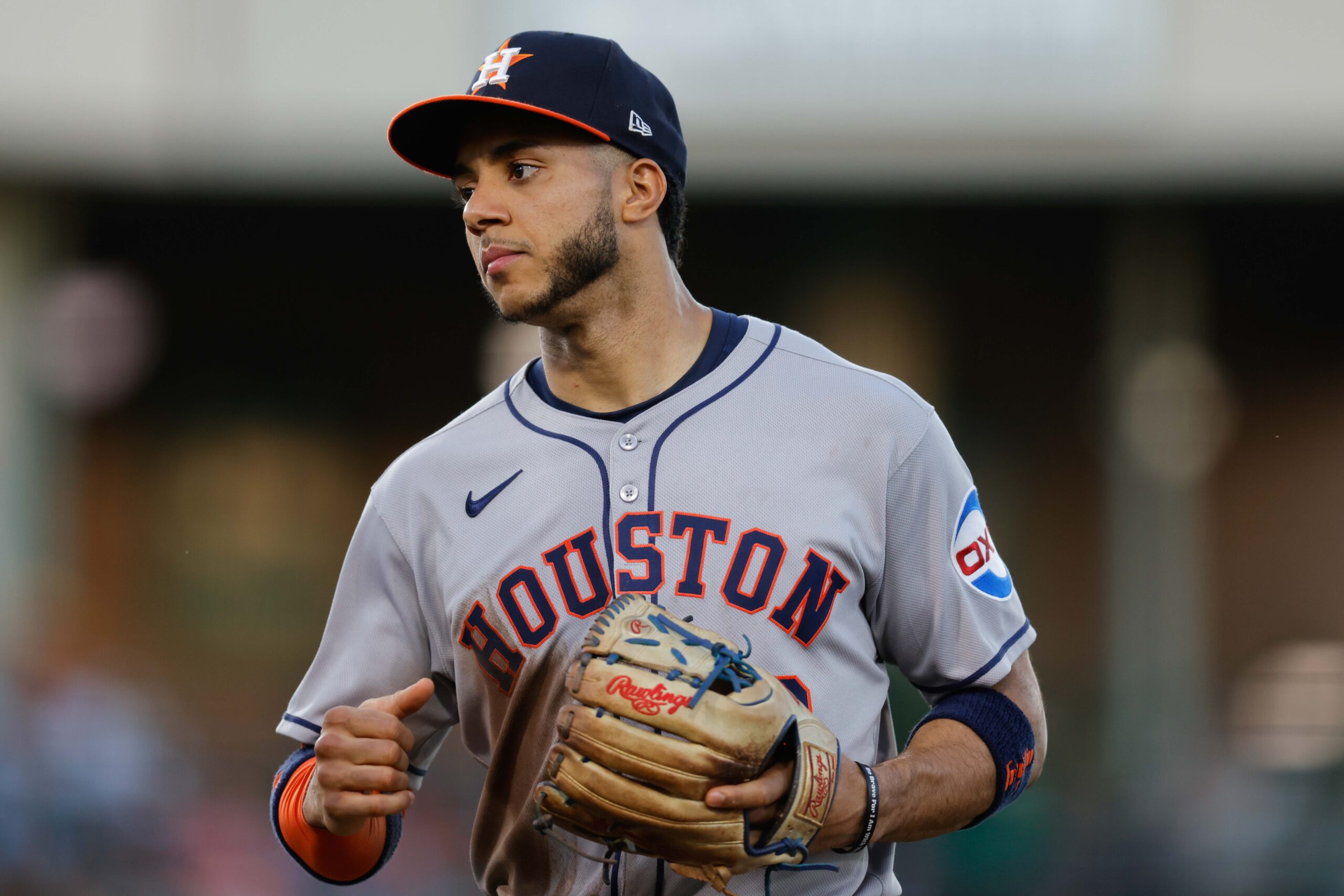
The Astros placed Jeremy Peña on the 10-day injured list Monday with a Grade 1 hamstring strain after initially believing he was dealing with posterior right-knee tightness. The injury is expected to keep him out longer than the minimum stay, adding to what has already been a disrupted start to his season following a fractured finger suffered in mid-March.
Peña, a first-time All-Star in 2025, opened 2026 hitting .256/.304/.349 with 0 home runs, 4 doubles, 0 RBIs, 5 runs scored, and 1 stolen base across his first 10 games.
Houston loses a dynamic presence in the middle of the infield, one who contributes across multiple phases of the game. Peña’s profile combines speed, contact ability, and everyday playing time, making him a key piece in maintaining offensive flow. With Carlos Correa expected to shift to shortstop and Isaac Paredes taking on a larger role, the Astros are adjusting, but Peña’s all-around skill set is not easily replicated.
For Points League managers, this absence carries real weight. Peña offers a combination of volume and category diversity, which translates into steady scoring rather than streak-driven production.
His ability to accumulate points through hits, runs, and stolen bases makes him a valuable lineup piece. Losing him forces managers into less stable options, reducing overall lineup consistency.
How Tatsuya Imai’s Right-Arm Fatigue Impacts the Astros’ Rotation
The Astros placed Tatsuya Imai on the 15-day injured list Monday with right-arm fatigue after the 27-year-old managed just 1/3 of an inning in his most recent start before being sent back to Houston for testing. He is currently dealing with a “dead-arm” phase, and there is no guarantee he will be ready to return when first eligible later this month.
Through his first 3 starts, Imai struggled to a 7.27 ERA (4.30 FIP), 2.08 WHIP, and 13:11 strikeout-to-walk ratio across 8 2/3 innings, marking a difficult start to his MLB career.
Houston’s rotation takes another hit in a group already depleted by injuries to Hunter Brown, Cristian Javier, Hayden Wesneski, Ronel Blanco, and Brandon Walter. Imai was expected to help stabilize innings and provide a fresh arm with strikeout potential, but his absence now forces the team to rely even more heavily on limited depth. The lack of available starters disrupts rhythm and increases pressure on both the bullpen and remaining rotation pieces.
For Points League managers, Imai’s situation highlights the risk tied to early-season pitching investments. Even with his early struggles, he still represented a potential source of innings and strikeouts, which are essential in this format. With him sidelined, that opportunity disappears, and managers are left searching for replacement arms in a thin early-season pitching pool.
How Ryan Mountcastle’s Left Foot Fracture Affects the Orioles and Fantasy Managers
Ryan Mountcastle suffered a broken fourth metatarsal in his left foot on Saturday and is expected to be placed on the 10-day injured list early this week, according to Orioles manager Craig Albernaz. The injury comes at a particularly difficult time, as Mountcastle was in line for increased playing time with Adley Rutschman already sidelined with an ankle issue. In 8 games this season, the 29-year-old was batting .286 (4-for-14) with 1 RBI and 1 double.
Baltimore loses a key right-handed bat that was positioned to take on a larger offensive role. Mountcastle provides power and run production potential, particularly valuable in filling gaps created by other injuries. His ability to drive the ball and contribute in run-scoring situations adds balance to the lineup, something that becomes harder to maintain without him.
For fantasy managers, the absence removes a source of power and consistent at-bats at a time when his role was expanding. In Points Leagues, players who combine playing time with extra-base hit potential carry significant value, and Mountcastle fit that profile heading into this stretch. While Dylan Beavers may benefit from increased opportunities, replacing Mountcastle’s production is not a straightforward transition, leaving managers with a gap in both volume and impact.
Leave a Reply